In their words
Our Supporters
The words of Gedolei Yisroel on Shnayim Mikro that inspire this initiative.
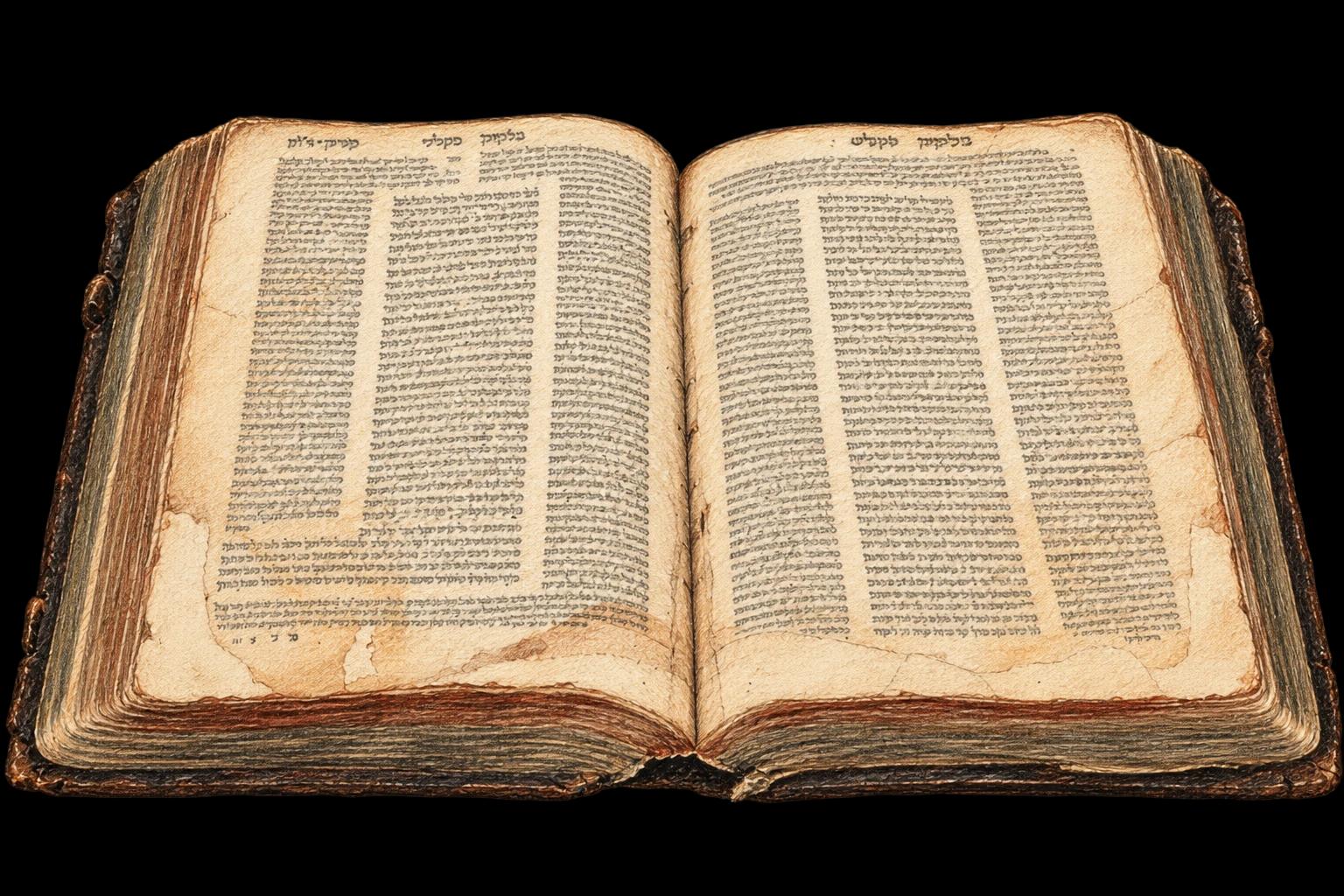
Gemara
Berachos 8a–b · Rav Huna bar Yehuda in the name of Rabbi Ami
אמר רב הונא בר יהודה אמר רבי אמי: לעולם ישלים אדם פרשיותיו עם הצבור, שנים מקרא ואחד תרגום, ואפילו עטרות ודיבון, שכל המשלים פרשיותיו עם הצבור מאריכין לו ימיו ושנותיו.
“A person should always complete his Torah portions with the congregation; scripture twice and translation once. Even [a verse like] ‘עטרות ודיבון’ (Numbers 32:3) [should be read in this manner]. For one who completes his Torah portions with the congregation is rewarded that his days and years are extended.”
Rabbi Yosef Karo zt”l
Shulchan Aruch · Orach Chaim 285:1
אף על פי שאדם שומע כל התורה כולה כל שבת בצבור, חייב לקרות לעצמו בכל שבוע פרשת אותו שבוע שנים מקרא ואחד תרגום, אפילו עטרות ודיבון.
“Even though a person hears the entire Torah [portion] each Shabbat with the congregation, he is obligated to read for himself each week that week’s parashah—twice Mikra and once Targum—even ‘עטרות ודיבון’.”

Ba’al HaTurim zt”l
On Shemos 1:1
ואלה שמות בני ישראל
ואדם אשר לומד הסדר
שנים מקרא ואחד תרגום
בקול נעים ישיר
יחיה שנים רבות ארוכים לעולם“A person who learns the weekly Torah portion twice in the text and once in translation, in a sweet, steady voice, will live many long years.”

Chofetz Chaim zt”l
Mishnah Berurah 285:6
אם אפשר לו שלא יפסיק בשמו”ת על שום דבר הוא טוב ויפה מאד וכן ראיתי מהמדקדקים עושין כן וכן ראוי לבעל נפש לעשות.
“If it is possible for him not to interrupt his Shnayim Mikra Ve’Echad Targum for anything, this is very good and beautiful. I have likewise seen meticulous people conduct themselves this way, and this is indeed a worthy practice for a conscientious person.”

Reb Moshe Feinstein zt”l
Igros Moshe · Orach Chaim 5:17
“On the subject that a mitzvah that is binding upon each of us to review the Torah portion each week twice in the original text and once in translation — and our rabbis, even from among the Rishonim, added that we should combine to learn also the commentary of Rashi on each portion — is very neglected, even by many Torah-observant Jews.
It is simple and clear that no person is exempted from any mitzvah under rabbinic law based on the claim that he’s involved in Torah study. Similarly, no one is exempted from this mitzvah. Just the opposite! Even one for whom Torah is his occupation, like Rashbi and his colleagues who were exempted from prayer under rabbinic law, they were nevertheless obligated to review the parshah Shnayim Mikro v’Echod Targum. This is also Torah study and the obligation of Torah study also includes Chumash.
It is clear that reviewing Shnayim Mikro v’Echod Targum is certainly included in one’s fundamental obligation of Torah study each week, for it was this learning that the Sages singled out for each week. It is certainly obligatory and one cannot exempt this study by learning something else from the Torah, neither written nor oral, other than this extra mitzvah that the Sages required.
Consequently, there is no exemption from this, even for those to whom Torah is their occupation like Rashbi and his colleagues. This is specifically true of our generation, in which no one can claim to be so expert in the Chumash.”